
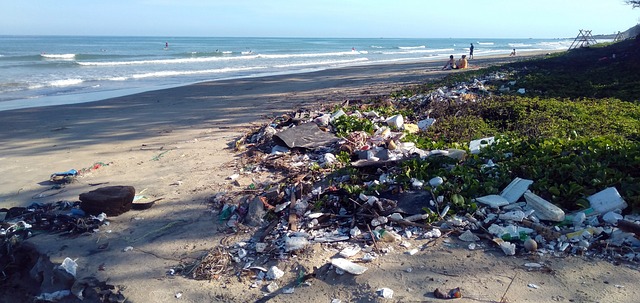
Denver faces recurrent sewer backups from grease, foreign objects, roots, and aging pipes, posing health risks. Prevention involves regular maintenance, proper waste disposal, and strategic planting. Swift response from dedicated teams minimizes damage. Advanced techniques like hydro-jetting clear obstructions. Identifying vulnerabilities through inspections and assessments is key. Sewage cleanup services offer tailored solutions, emphasizing swift response for minimal contamination. A multi-faceted approach includes natural methods, expert inspections, and community initiatives for long-term prevention, ensuring a robust sanitation system with Sewage Cleanup Services Denver naturally.
Recurrent sewer backups are a common yet unsettling issue for many Denver homeowners and businesses. This problematic scenario not only disrupts daily life but also poses significant health risks due to the involvement of sewage, a breeding ground for bacteria and contaminants. The root causes vary from blocked pipes to structural issues within the drainage system. Navigating effective solutions requires understanding these causes and employing tailored strategies. Sewage cleanup services Denver residents rely on play a crucial role in addressing this challenge, offering advanced techniques and expertise to restore order and prevent future occurrences. In this article, we delve into the most reliable methods for tackling sewer backups, empowering you to protect your property and ensure a cleaner, safer environment.
- Understanding Recurrent Sewer Backups: Causes and Prevention
- Assessing Your Property for Backup Risks: An Initial Checklist
- The Role of Professional Sewage Cleanup Services Denver
- Effective Cleaning and Sanitation Strategies for Your Home
- Long-Term Solutions: Preventing Future Sewer Backups Naturally
Understanding Recurrent Sewer Backups: Causes and Prevention

Recurrent sewer backups are a significant problem for many homeowners and businesses, often leading to costly damage and health hazards. Understanding the root causes is crucial in preventing these incidents effectively. The primary culprits include blockages from grease, foreign objects, tree roots, and aging or damaged pipes. In Denver, where freezing winters can cause pipe bursts, the issue compounds, requiring prompt and professional intervention.
Biohazard waste disposal services play a critical role in managing sewage backups, especially when they involve raw or partially treated wastewater. Sewage cleanup services Denver residents rely on must adhere to strict health and safety protocols to mitigate risks associated with contaminated water. For instance, a burst sewer line can release not only noxious gases but also harmful pathogens, necessitating specialized equipment and training for safe disposal and cleanup. Emergency drainage cleaning Denver teams are equipped to handle such situations, employing advanced techniques like hydro-jetting to clear obstructions without damaging pipes further.
Prevention is key to avoiding recurrent backups. Regular maintenance, including professional inspections and cleaning every 3–5 years, can identify issues before they escalate. Homeowners should also be mindful of what goes down the drain; cooking oils and grease, for example, solidify in pipes, leading to obstructions. Additionally, planting trees far from sewer lines helps prevent root intrusions that can cause pipe damage over time. In cases of sewer line bursts, a swift response from a dedicated sewer line burst response team is vital to minimizing water damage and ensuring proper biohazard waste disposal services are employed, as seen in many Denver-based emergency drainage cleaning operations.
Assessing Your Property for Backup Risks: An Initial Checklist
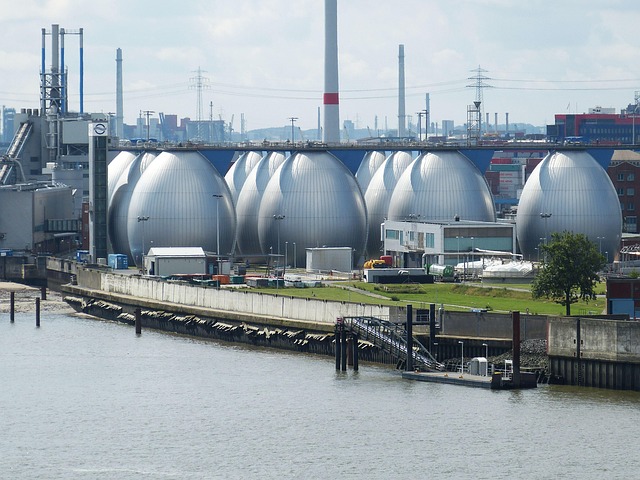
Understanding your property’s vulnerabilities is a critical first step in preventing recurrent sewer backups. A thorough assessment can reveal hidden risks often overlooked. Start by inspecting your home for signs of age, corrosion, or damage to plumbing fixtures and pipes—especially in areas prone to flooding or moisture. Check for any tree roots intruding into sewer lines, as these organic invaders can cause significant blockages over time.
Next, review your property’s layout and neighboring infrastructure. Is your home situated lower than others around it? Elevated sewer systems are less prone to backups, so topographical considerations matter. Additionally, examine the condition of nearby manhole covers and sewer grates; damaged or blocked covers can lead to increased pressure and backup risks. Property owners in flood-prone areas should also consider installing backflow prevention devices, which act as one-way valves to keep contaminated water from flowing back into clean water supplies during heavy rainfall.
A commercial sewage extraction team like Advanced Restoration Colorado offers expert assessments tailored to your property’s unique needs. They employ advanced technologies and strategies for efficient sewage cleanup services Denver residents rely on in challenging situations. By proactively identifying and addressing these risks, you can significantly reduce the likelihood of costly and inconvenient sewer backups, ensuring peace of mind and protecting your investment.
The Role of Professional Sewage Cleanup Services Denver
Recurrent sewer backups are a common problem faced by many homeowners, causing significant inconvenience and potential health hazards. In such situations, it is crucial to turn to professional Sewage Cleanup Services Denver for effective solutions. These experts possess the specialized knowledge and equipment necessary to address not just the visible symptoms but also the underlying causes of sewage backup, ensuring comprehensive and lasting relief.
Professional sewage cleanup services in Denver go beyond the initial removal of contaminated water and debris. They employ advanced methods for biohazard waste disposal services, minimizing environmental impact and mitigating health risks associated with sewage exposure. For instance, these companies often utilize high-pressure jetting to clear blocked pipes and perform thorough inspections using cameras to identify and rectify issues before they reoccur. Furthermore, they offer home drainage cleaning service packages tailored to different property types, from residential to commercial buildings.
Data suggests that prompt action by skilled professionals can prevent severe sewage contamination removal challenges. Delays in addressing backups can lead to more extensive damage and higher restoration costs. Therefore, when facing recurring sewer issues, homeowners should not hesitate to reach out to reputable Sewage Cleanup Services Denver. Their expertise ensures swift response times, efficient cleanup, and the implementation of preventive measures to stop future backups, safeguarding both properties and health.
Effective Cleaning and Sanitation Strategies for Your Home
Recurrent sewer backups can be a significant homeownership hassle, leading to property damage, unsanitary conditions, and costly repairs. Effective cleaning and sanitation strategies are essential for preventing these occurrences. A comprehensive approach involves both immediate remediation and long-term preventive measures. When faced with sewer backup issues in Denver or beyond, it’s advisable to seek expert sewage cleanup services Denver CO professionals can offer tailored solutions that address the root causes of backups, ensuring your home remains a safe, healthy environment.
One of the primary steps after a sewer backup is professional sewage cleanup. Expert teams utilize advanced equipment and techniques for thorough cleaning, removing not just visible debris but also harmful pathogens and bacteria that may have entered the affected areas. For instance, in 2020, Denver experienced an elevated number of sewer backups, prompting city-wide efforts to enhance infrastructure and educate residents on prevention strategies. This event underscored the importance of swift and efficient sewage cleanup services for minimizing damage and ensuring public health. Businesses, too, should consider expert sewage treatment as part of their disaster recovery plans, alongside regular preventative maintenance like camera inspections and cleaning to prevent buildup in pipes.
Beyond cleanup, establishing a robust sewer backup prevention strategy is paramount. This involves understanding the unique challenges posed by your home’s plumbing system and local infrastructure. Common preventive measures include installing backflow prevention devices to stop contaminated water from flowing back into clean water lines, scheduling regular professional pipe inspections, and ensuring proper disposal of grease and other non-biodegradable materials in the kitchen and laundry rooms. For instance, Denver’s Public Utilities Department offers resources and incentives for homeowners looking to implement sewer backup prevention measures, highlighting the city’s commitment to supporting residents in maintaining a robust infrastructure system.
In conclusion, addressing recurrent sewer backups requires a multi-faceted approach that combines effective sewage cleanup services Denver naturally occurs with proactive prevention strategies. By adopting these measures, homeowners can minimize the risk of future backups, protect their investments, and contribute to the overall health and sustainability of local sanitation systems, such as those managed by expert sewage treatment facilities serving businesses across the Denver metro area.
Long-Term Solutions: Preventing Future Sewer Backups Naturally

Addressing recurrent sewer backups requires a multifaceted approach, with long-term solutions playing a pivotal role in preventing future disruptions. One of the most sustainable strategies involves adopting natural methods to enhance drainage and wastewater management. For instance, implementing bio-swales or rain gardens in residential areas can significantly reduce the volume of stormwater runoff entering the sewage system. These natural features support the growth of deep-rooted plants that absorb water effectively, thereby easing the strain on sewer infrastructure.
Expert sewage system inspection is a crucial step in identifying potential issues before they escalate into major backups. Denver’s leading Disaster Cleanup and Restoration companies often emphasize the importance of regular inspections to assess the health of home sewage treatment systems. By understanding unique local conditions, such as soil composition and water tables, professionals can recommend tailored solutions like advanced septic tank systems or alternative on-site sewage treatment options. For example, some innovative homes in Denver now utilize small-scale wastewater recycling systems that not only reduce backup risks but also contribute to water conservation.
Beyond individual properties, community-wide initiatives can foster a culture of proactive sewer maintenance. This includes responsible landscaping practices, such as using native plants that require less irrigation, and implementing green infrastructure like permeable pavers in public spaces. By embracing these sustainable practices, Denver residents and businesses alike can collectively reduce the strain on sewage cleanup services naturally, ensuring a cleaner and more resilient urban environment for future generations.
By addressing recurrent sewer backups holistically—from understanding causes and assessing property risks to implementing effective cleaning strategies and adopting long-term natural solutions—property owners can significantly mitigate these disruptive and potentially harmful events. The article has underscored the importance of proactive measures, such as regular maintenance and upgrades, in preventing blockages. It has also emphasized the value of professional Sewage Cleanup Services Denver for thorough and safe sanitation when backups occur. Moving forward, homeowners should prioritize creating a robust prevention plan tailored to their properties, incorporating natural solutions like improved drainage systems and organic waste management practices. This multi-faceted approach ensures not only effective short-term resolution but also sustainable, long-lasting protection against future sewer backup issues.